Hello, could you introduce yourself?
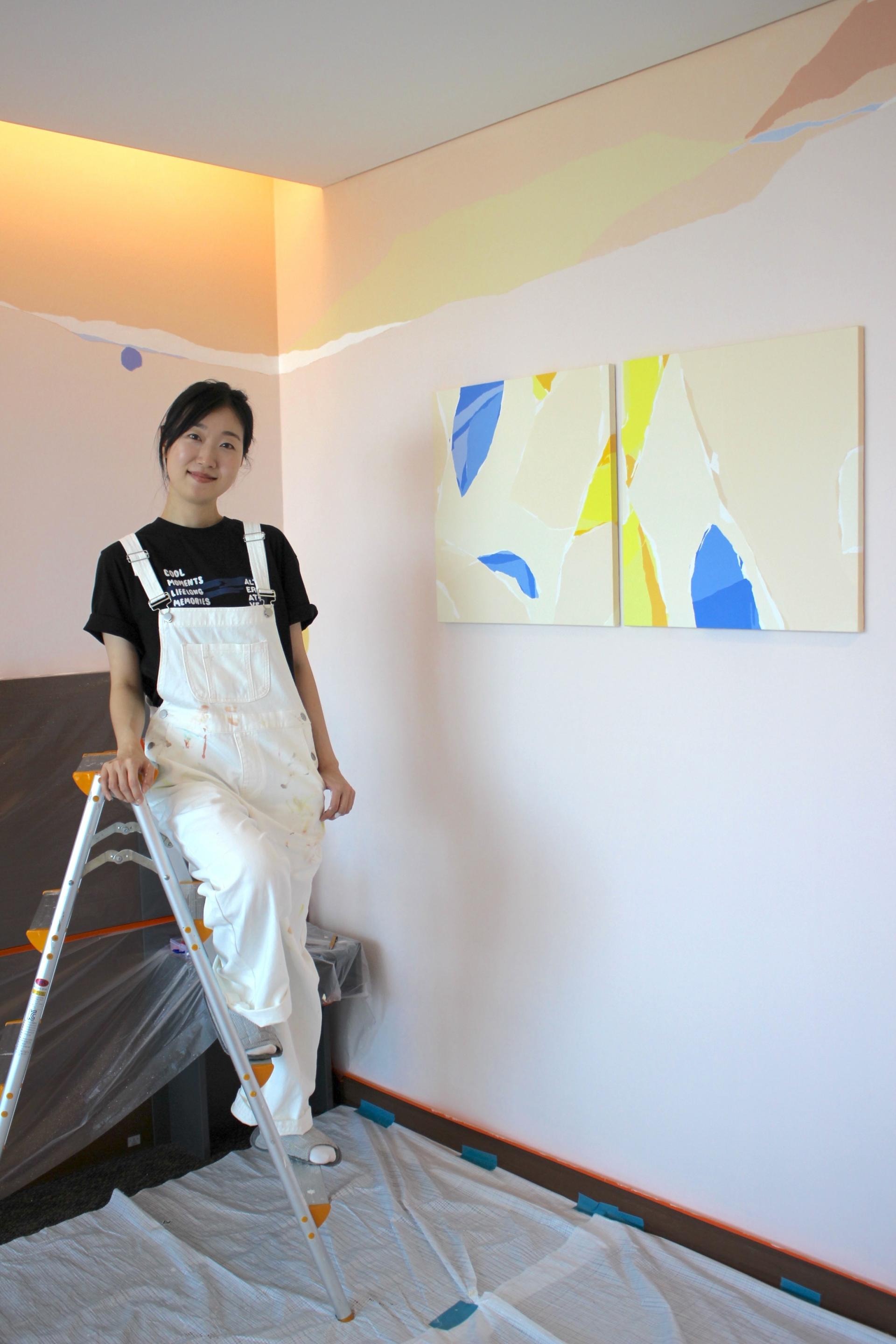
Hello! I’m Eunbi Lee, an artist who expresses inspiration from nature through abstraction. I think color is the most distinctive element of my work. It’s how I express the emotions and stories I want to share.
Where do you find your ideas and inspiration?
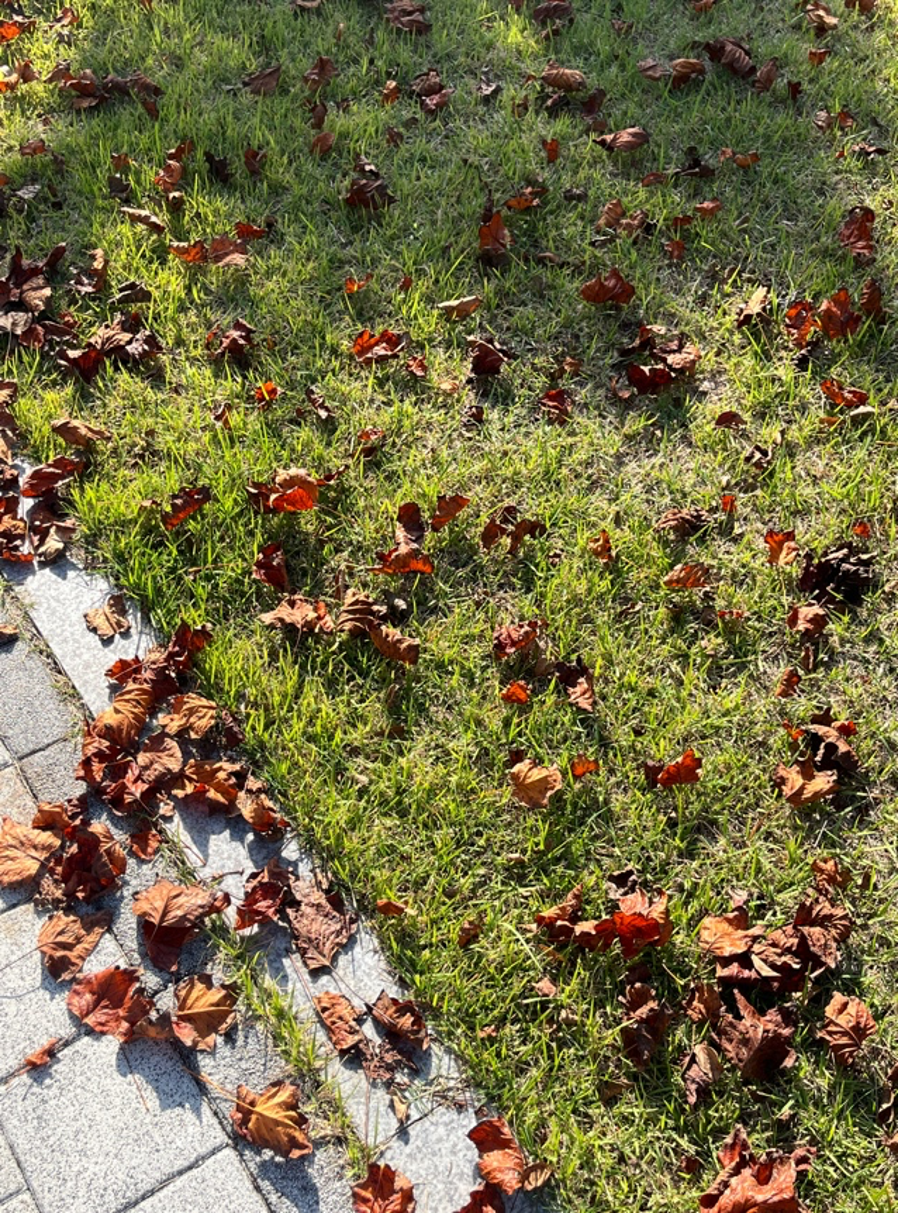
Often while taking walks or noticing little things in everyday life. Just today, I was walking up the stairs when I noticed a rainbow created by a prism, and that image stayed with me. I find inspiration in small moments like that.
Have you been working as a full-time artist since graduating from art school?
After graduating, I worked at a company for about a year. Then I was selected for an artist residency at Misul Gwangjang in Daegu, which became the turning point that led me to pursue art seriously. I was 26 at the time. Looking back, I was so young.
The residency selected six artists and provided each of us with studio space. We started with a group exhibition, and each artist was paired with an art critic who wrote about our work. The program also connected us with a gallery and gave us an opportunity to exhibit there. At the end of the residency, we all participated in a group exhibition at the Korean Cultural Center in Jakarta.
When I think back on that support now, I realize what an incredible opportunity it was. I was part of the eighth group of residents, which also turned out to be the program’s final group.
What happened after the residency ended?
I was scared. I remember thinking, “How am I supposed to do all of this on my own?” One of the mentors who had supported us told me that, sooner or later, we would have to learn to stand on our own.
So I just pushed forward, trying to be fearless and keeping my eyes on what was ahead. Eventually, I rented a studio on my own and continued making work. For a while, I moved from one space to another, but now I have a stable studio of my own.
When did your current style begin to take shape?
It started in college. As I was finishing a semester and preparing for an exhibition, I remember thinking, “This could be the last exhibition of my life, so I want to make something I’m happy with.” That was when I arrived at the style I’m still developing today.
To graduate, we were required to produce paintings totaling 1,200 ho—a unit used in Korea to indicate canvas size. It was an enormous amount of work, and I think our graduation exhibition requirements may have been the largest in the country at the time. The style that emerged from that experience has continued to evolve ever since.
Sometimes I take a break from social media because I worry that it will leave me confused or cause me to lose touch with my own work. I try to spend that time reading instead. Those are some of the ways I make an effort to stay grounded. Alongside actively exploring new ideas, I also try to recognize when I need to stop and regain my focus.
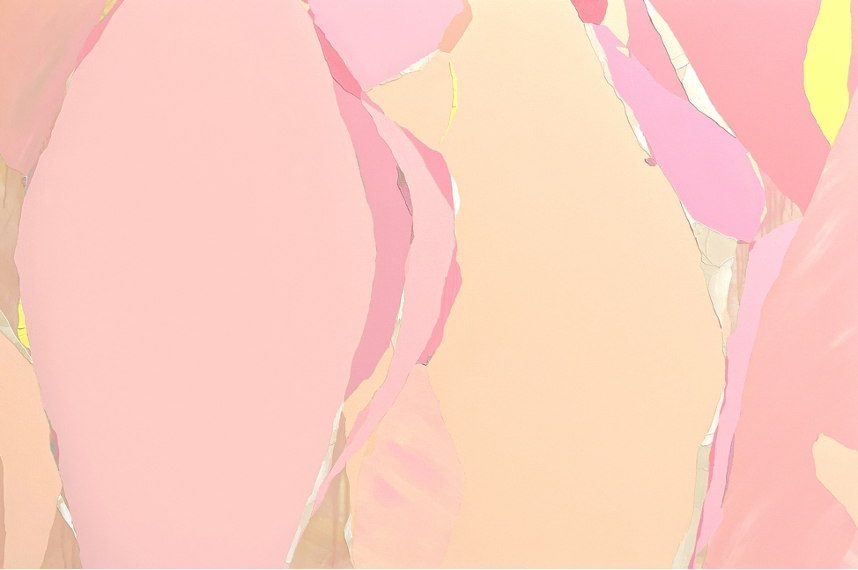
I felt this again recently when I tore a piece of paper and it came out in a shape I hadn’t intended. I thought, “Yes—this is why I do this.” I often have that feeling when a result turns out differently from what I imagined, and that unexpected outcome is what makes it interesting.
Have you ever looked back at your earlier work and compared it with what you’re making now?
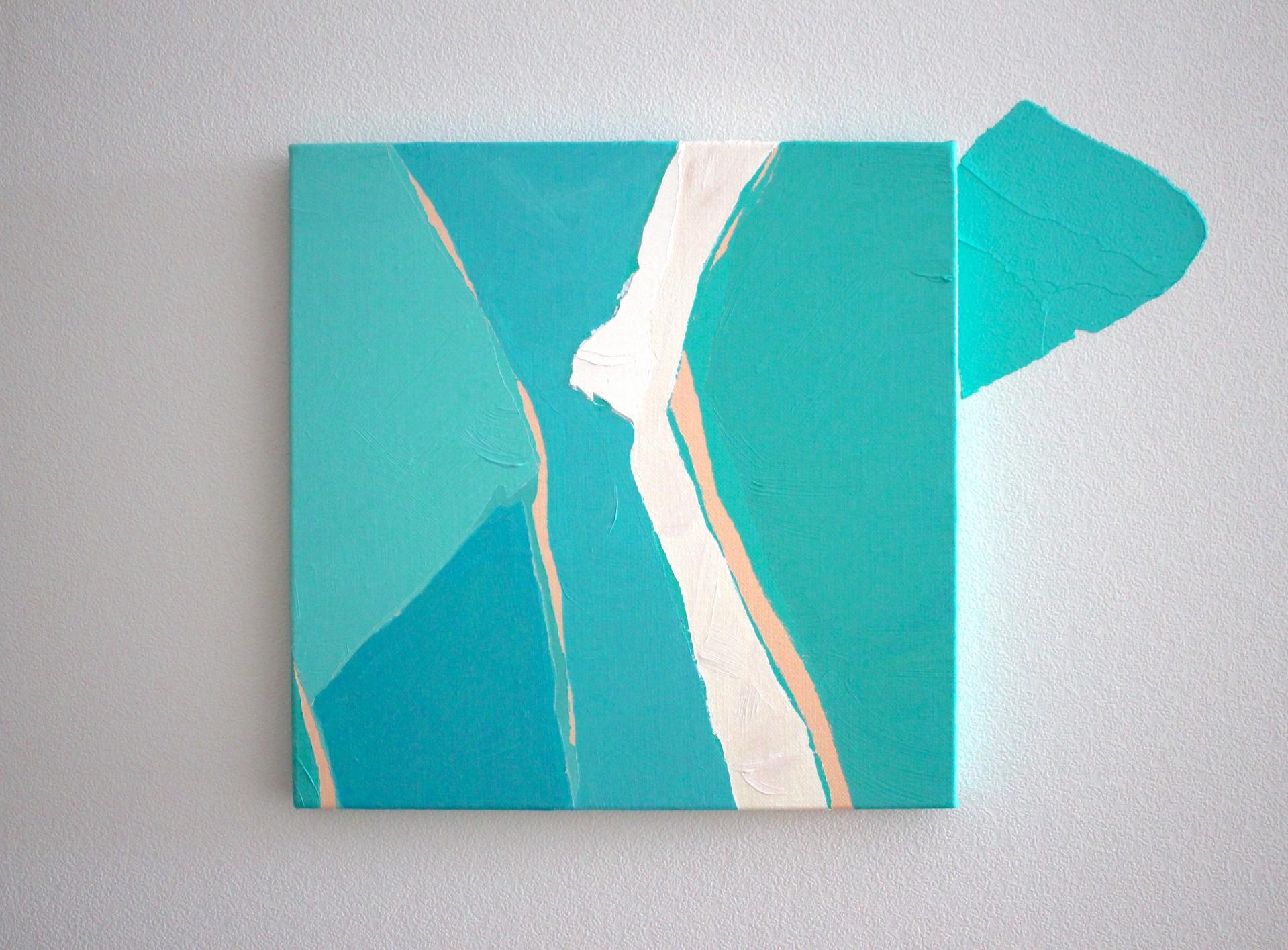
During my residency, a mentor told me, “As you get older, abstraction becomes a process of stripping things away.” I didn’t understand it then, but I’m gradually beginning to understand it now. My work has become a little more pared back, almost without my noticing.
I want things to happen quickly, but I’m learning that some things simply take time. I used to think that if I wanted to succeed quickly, I just had to work hard without ever stopping. These days, I realize that isn’t how it works. I think every artist needs time. I’m beginning to understand that you need to go through failures and build things back up during those years. When I look back at how urgently I wanted to make things happen when I was younger, I realize that much of it came from impatience.
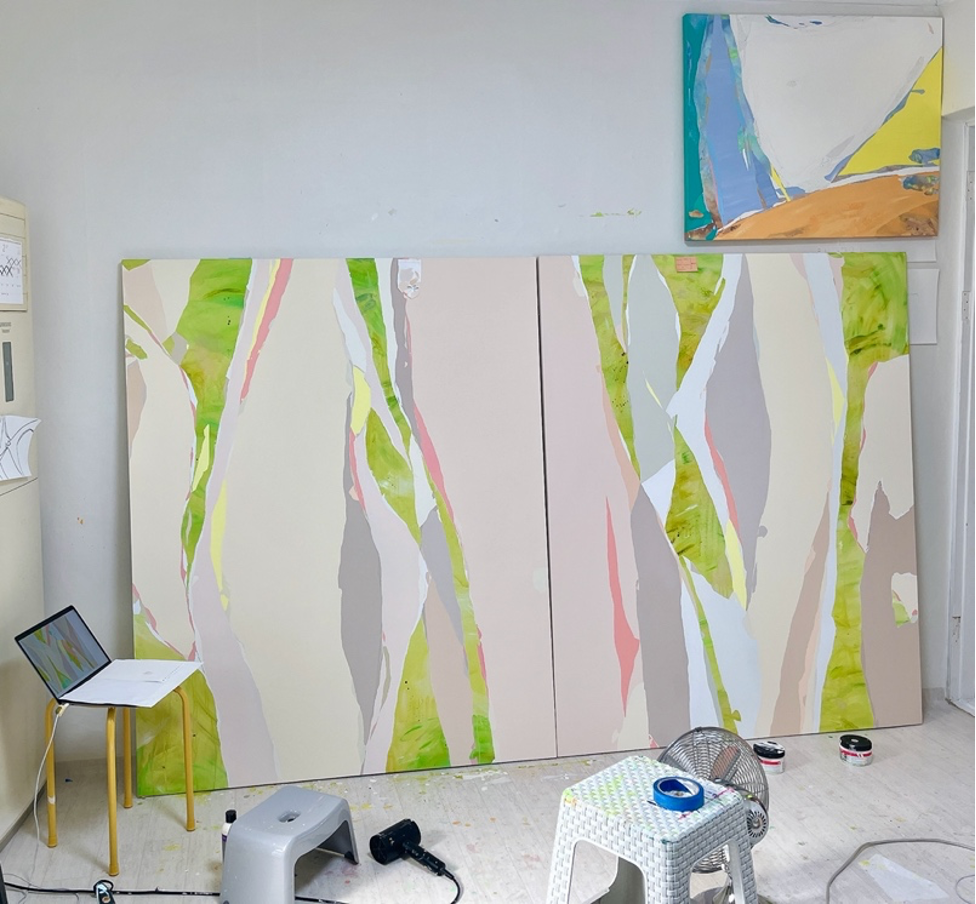
At one point, I felt anxious all the time. I was restless and had trouble letting myself rest because I was afraid of becoming lazy—afraid I might get too comfortable with how good it felt to take a break. I thought that once I got used to it, I might stop working hard. So I would tell myself, “Even if I’m taking time off, I should at least go to the studio and rest there.”
But I also wonder whether, ten years from now, I’ll still be able to keep my work fresh and continue making strong work, as artists like Park Seo-Bo and Lee Bae have done. That’s why I find them so extraordinary. I want to sustain my practice for the long run, so I’m trying to find a pace that will allow me to keep going.
What new plans do you have for 2025?
I want to make more work, and I try to challenge myself in some way with every piece. But I don’t think making a change every time is necessarily a good thing, either. It’s difficult to keep developing my own artistic language consistently.
I don’t want my anxiety to push me into changing direction just for the sake of it, so finding that balance is hard. I’m not afraid of failure. What I dislike more is regretting something because I never tried. Of course, the most important thing is staying healthy. [Laughs.]
What was it like working with DIVE IN on the Art Stay project?
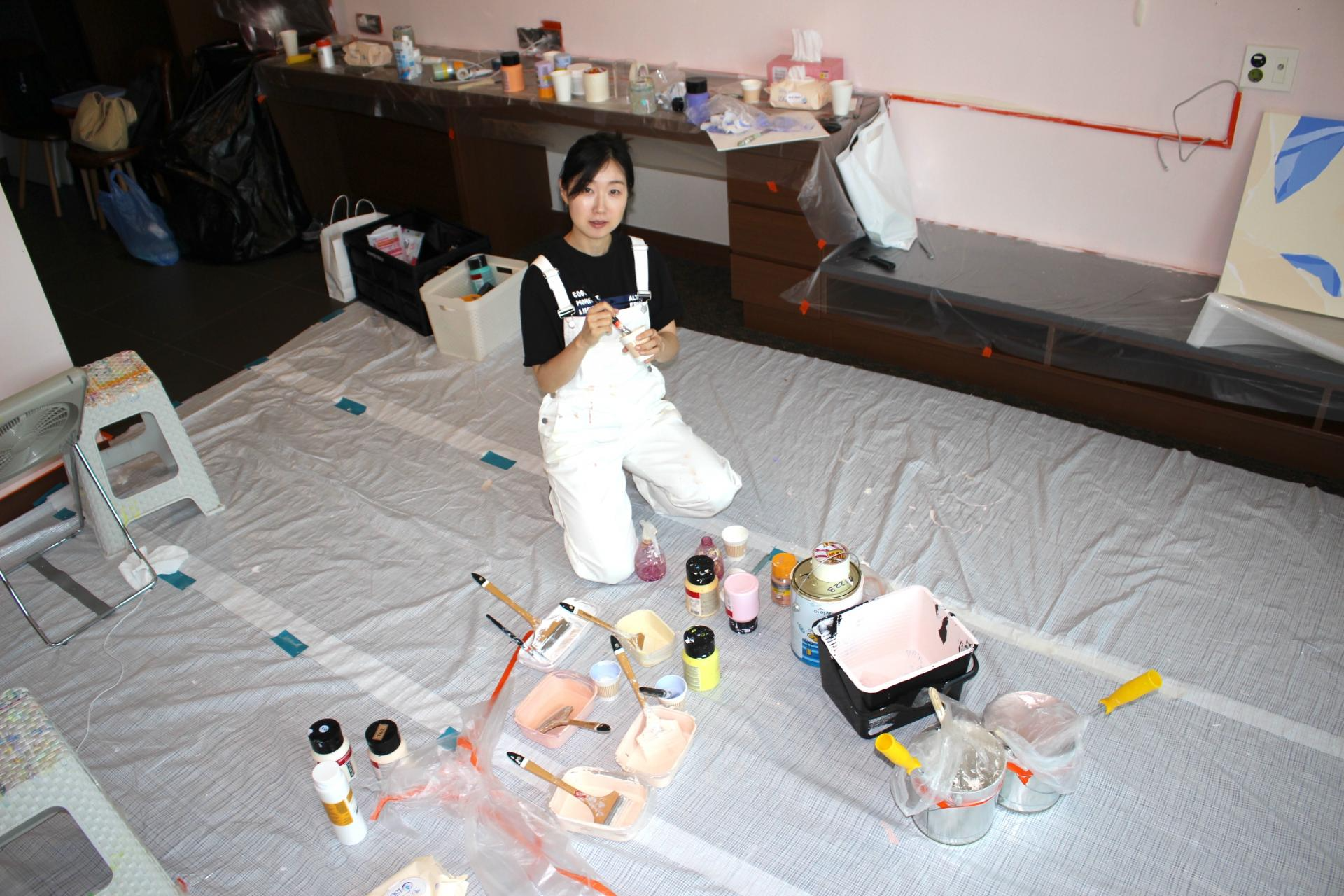
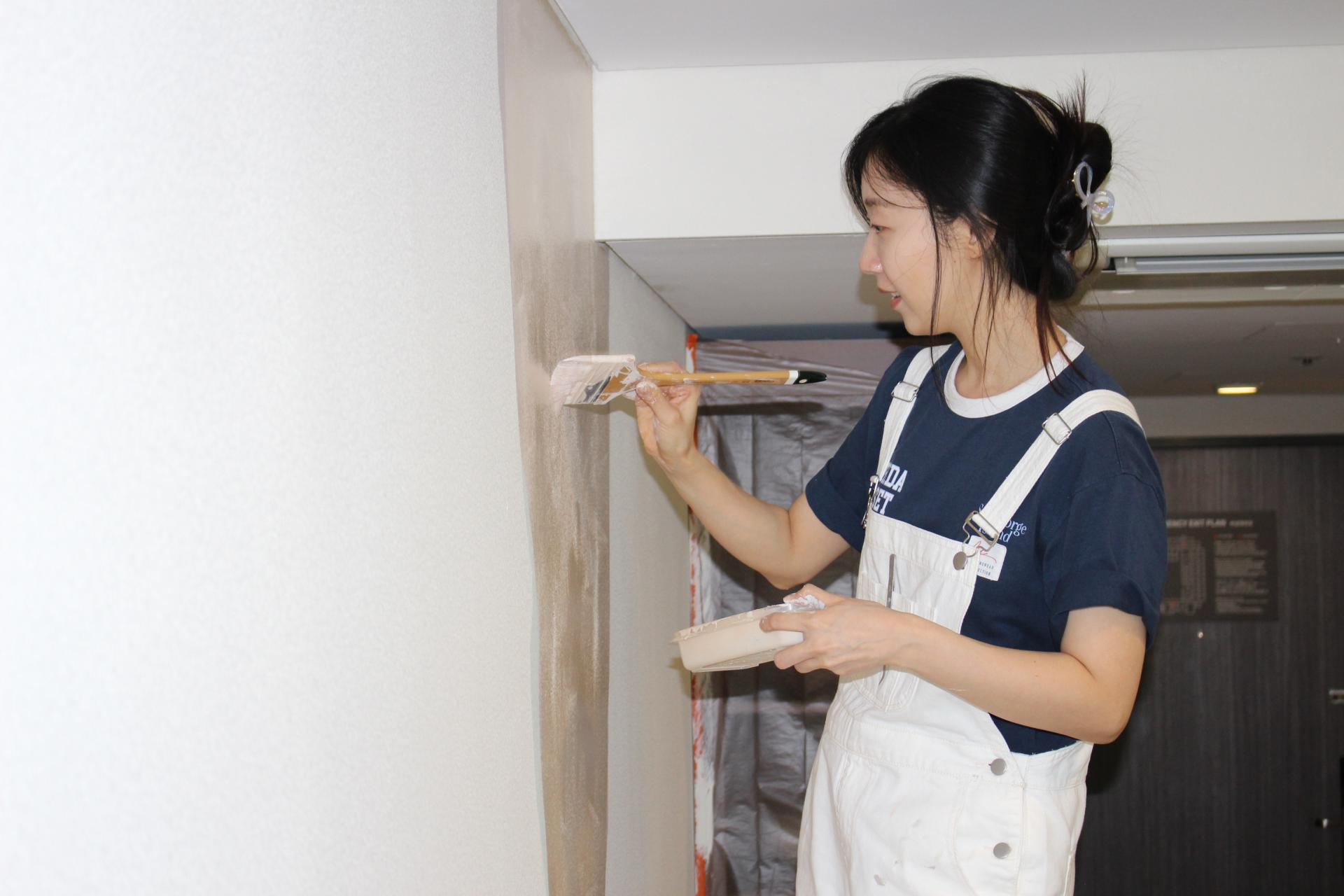
Art collaborations always seem to bring new and enjoyable experiences. This DIVE IN Art Stay project was especially exciting because it gave me the opportunity to expand my work on a large scale within a hotel space. As I worked, I imagined enveloping the space in my artwork.
A strong partnership is essential to making good work. DIVE IN’s ongoing feedback and thoughtfulness created an environment where I could fully immerse myself in the process. I’m grateful we had the opportunity to work together.
Is there anything else you’d like to share?
In a book I read recently, I came across the idea that every creator needs a distinctive voice. It made me wonder whether the technique I’ve remained committed to—working with the torn edges of paper—might be my own version of that voice. I think that’s why I’ve continued working this way. Moving forward, I want to stay true to that voice and continue making and sharing strong work.

Hello, could you introduce yourself?
Hello! I’m Eunbi Lee, an artist who expresses inspiration from nature through abstraction. I think color is the most distinctive element of my work. It’s how I express the emotions and stories I want to share.
Where do you find your ideas and inspiration?
Often while taking walks or noticing little things in everyday life. Just today, I was walking up the stairs when I noticed a rainbow created by a prism, and that image stayed with me. I find inspiration in small moments like that.
Have you been working as a full-time artist since graduating from art school?
After graduating, I worked at a company for about a year. Then I was selected for an artist residency at Misul Gwangjang in Daegu, which became the turning point that led me to pursue art seriously. I was 26 at the time. Looking back, I was so young.
The residency selected six artists and provided each of us with studio space. We started with a group exhibition, and each artist was paired with an art critic who wrote about our work. The program also connected us with a gallery and gave us an opportunity to exhibit there. At the end of the residency, we all participated in a group exhibition at the Korean Cultural Center in Jakarta.
When I think back on that support now, I realize what an incredible opportunity it was. I was part of the eighth group of residents, which also turned out to be the program’s final group.
What happened after the residency ended?
I was scared. I remember thinking, “How am I supposed to do all of this on my own?” One of the mentors who had supported us told me that, sooner or later, we would have to learn to stand on our own.
So I just pushed forward, trying to be fearless and keeping my eyes on what was ahead. Eventually, I rented a studio on my own and continued making work. For a while, I moved from one space to another, but now I have a stable studio of my own.
When did your current style begin to take shape?
It started in college. As I was finishing a semester and preparing for an exhibition, I remember thinking, “This could be the last exhibition of my life, so I want to make something I’m happy with.” That was when I arrived at the style I’m still developing today.
To graduate, we were required to produce paintings totaling 1,200 ho—a unit used in Korea to indicate canvas size. It was an enormous amount of work, and I think our graduation exhibition requirements may have been the largest in the country at the time. The style that emerged from that experience has continued to evolve ever since.
Sometimes I take a break from social media because I worry that it will leave me confused or cause me to lose touch with my own work. I try to spend that time reading instead. Those are some of the ways I make an effort to stay grounded. Alongside actively exploring new ideas, I also try to recognize when I need to stop and regain my focus.
I felt this again recently when I tore a piece of paper and it came out in a shape I hadn’t intended. I thought, “Yes—this is why I do this.” I often have that feeling when a result turns out differently from what I imagined, and that unexpected outcome is what makes it interesting.
Have you ever looked back at your earlier work and compared it with what you’re making now?
During my residency, a mentor told me, “As you get older, abstraction becomes a process of stripping things away.” I didn’t understand it then, but I’m gradually beginning to understand it now. My work has become a little more pared back, almost without my noticing.
I want things to happen quickly, but I’m learning that some things simply take time. I used to think that if I wanted to succeed quickly, I just had to work hard without ever stopping. These days, I realize that isn’t how it works. I think every artist needs time. I’m beginning to understand that you need to go through failures and build things back up during those years. When I look back at how urgently I wanted to make things happen when I was younger, I realize that much of it came from impatience.
At one point, I felt anxious all the time. I was restless and had trouble letting myself rest because I was afraid of becoming lazy—afraid I might get too comfortable with how good it felt to take a break. I thought that once I got used to it, I might stop working hard. So I would tell myself, “Even if I’m taking time off, I should at least go to the studio and rest there.”
But I also wonder whether, ten years from now, I’ll still be able to keep my work fresh and continue making strong work, as artists like Park Seo-Bo and Lee Bae have done. That’s why I find them so extraordinary. I want to sustain my practice for the long run, so I’m trying to find a pace that will allow me to keep going.
What new plans do you have for 2025?
I want to make more work, and I try to challenge myself in some way with every piece. But I don’t think making a change every time is necessarily a good thing, either. It’s difficult to keep developing my own artistic language consistently.
I don’t want my anxiety to push me into changing direction just for the sake of it, so finding that balance is hard. I’m not afraid of failure. What I dislike more is regretting something because I never tried. Of course, the most important thing is staying healthy. [Laughs.]
What was it like working with DIVE IN on the Art Stay project?
Art collaborations always seem to bring new and enjoyable experiences. This DIVE IN Art Stay project was especially exciting because it gave me the opportunity to expand my work on a large scale within a hotel space. As I worked, I imagined enveloping the space in my artwork.
A strong partnership is essential to making good work. DIVE IN’s ongoing feedback and thoughtfulness created an environment where I could fully immerse myself in the process. I’m grateful we had the opportunity to work together.
Is there anything else you’d like to share?
In a book I read recently, I came across the idea that every creator needs a distinctive voice. It made me wonder whether the technique I’ve remained committed to—working with the torn edges of paper—might be my own version of that voice. I think that’s why I’ve continued working this way. Moving forward, I want to stay true to that voice and continue making and sharing strong work.